I Got Featured by BBC, CNN, Forbes & CNBC – How to Get Media Coverage Without Paying for PR


I Got Featured by BBC, CNN, Forbes & CNBC – How to Get Media Coverage Without Paying for PR
My startups have been featured in BBC, CNN, CNBC, Forbes, and dozens of other outlets. The SEO value of these mentions alone was worth hundreds of thousands, not to mention the credibility boost that opens doors with investors, customers, and talent.
Here’s exactly how you can get your startup featured too, even if you’re unknown, bootstrapped, or just starting.
Why it works:
Journalists are constantly looking for fresh, credible data and if you provide numbers no one else has, they’ll often quote you or your company as the source. That means free exposure, backlinks, and credibility.
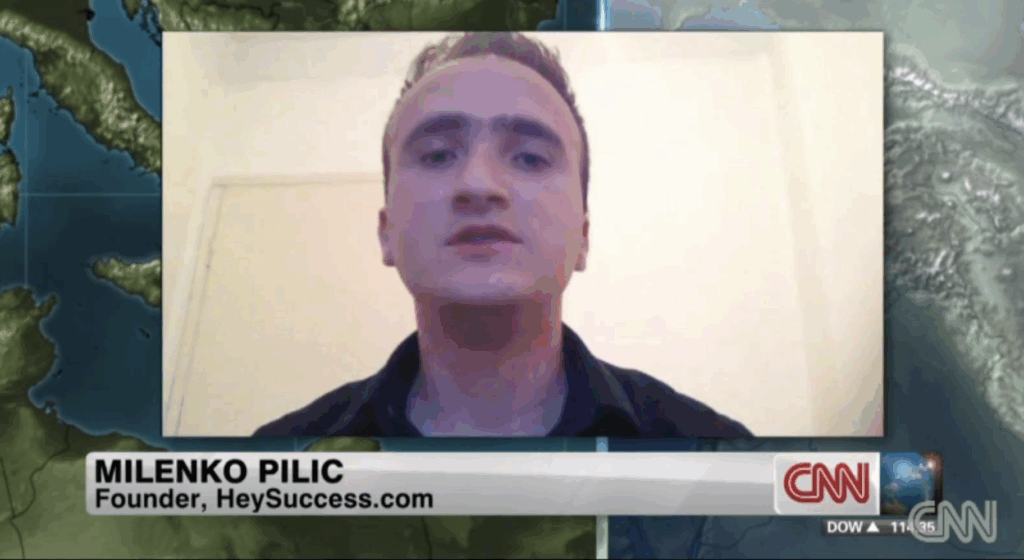
Back in 2013, my company HeySuccess gathered internal data from our users on youth unemployment and future economic prospects. It wasn’t a massive study but it was unique and timely. That data led to an invitation to give a statement live on CNN.
What to Do:
Option 1: Analyze Public Datasets
Start by identifying a hot or timely topic that’s already getting media attention. Journalists are more likely to engage with stories that tap into what the world is already talking about. Examples, 2013: Youth unemployment in Europe, 2018: The rise of remote work and the gig economy, 2023: The impact of AI on white-collar jobs.
Then ask: What kind of data would make this trend feel real to the average person?
Journalists don’t just want tech talk. They want “How does this affect people like me?” angles.
Next step: Use open public data and run your own analysis. You don’t need to be a data scientist a few charts in Google Sheets or Looker Studio can go a long way.
Example:
• Use LinkedIn or Crunchbase to track remote job listings in your industry
• Pull visa stats from government APIs
• Compare wage trends from public labor bureaus
• Combine sources to uncover regional or generational shifts
Then visualise your findings. Even a simple bar graph can tell a story.
Option 2: Run Your Own Survey
You don’t need a huge user base to collect valuable insights. You just need a smart question and the right audience.
How to do it:
• Create your survey using Google Forms or Typeform
• Keep it short (5–7 questions max)
• Ask about opinions, fears, goals — human angles perform best in media
Where to share it:
• Reddit (find a niche subreddit where your topic fits)
• Facebook groups in your industry or region
• Your LinkedIn network — or post in relevant threads
• Ask partners to include it in their newsletters or online communities
Goal: Get at least 100 responses to establish credibility.
Even if 30% of responses are from your friends, the data still works, especially if the narrative is unique and relevant.
Editors are bored of polished SaaS dashboards and corporate jargon. What they crave is something new, human, or just plain weird anything that makes readers curious.
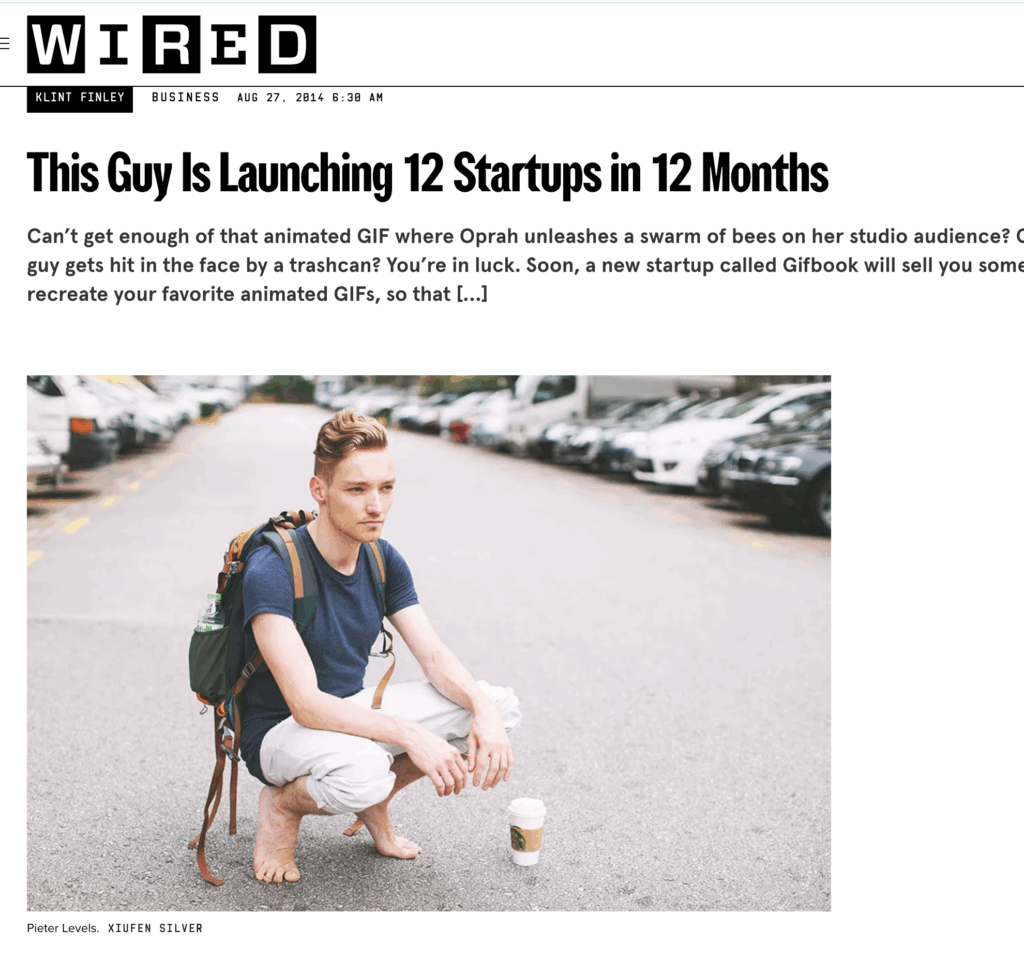
When Pieter Levels announced his “12 startups in 12 months” experiment, it wasn’t just a productivity stunt it became a media magnet. Dozens of publications covered it, and his projects reached millions.
Other Ideas That Could Work:

• A countdown timer to when AI will replace your job
• A fake online “Museum of Failed Startup Logos”
• A Digital Nomad Visa Scorecard that ranks countries by ease of getting in
• An AI tool that tells you what startup idea you’d fail at fastest

These kinds of playful side projects work because they are:
• Visual
• Sharable
• And tied to cultural trends
How to Do it:
• Build a simple one-page project using Carrd, Framer, or Webflow
• Keep the design minimal and fast — build it in a weekend
• Add a small footer or tagline: “Built by the team at [your company name]”
(This ensures you still get brand exposure)
How to Pitch it:
Turn the side project into a quirky headline journalists want to write:
Then pitch it via email or Twitter to journalists who cover:
Bonus Tip:
These projects often blow up organically on:
- Reddit (especially r/InternetIsBeautiful, r/technology, or niche subs)
- Hacker News
- Twitter/X
- Product Hunt
Make sure to launch there with:
- A catchy title
- An eye-catching visual or gif
- And a pinned tweet or comment linking to your press contact
Why it works:
Journalists are busy. If you want them to write about you, you need to:
a) make your data easy to find and understand (hello, SEO), and
b) make your story easy to write (hello, press kit).
Combining these two into one seamless flow dramatically increases your chances of being featured and also boosts your domain’s search authority.
Part 1: Create a SEO-Friendly “Reports & Data” Page
Whenever you run a survey or analyse public data (see earlier section), don’t just publish it as a blog post and call it a day. Turn it into a dedicated page that builds long-term authority.

Here’s what to include:

• Clear H1 like: “2025 Report: How AI Is Reshaping Entry-Level Jobs”
• One-paragraph executive summary
• Key insights in bullet points
• A strong, sharable infographic or chart
• PDF download option
• Link back to your homepage and relevant service/product pages
• Optional: Embed a short video explaining the report

URL tip:
Use a clean structure like:
/reports/2025-ai-entry-jobs-report

SEO bonus:
Use schema markup (e.g. Report, Dataset, Organization) so Google understands the content and may feature it in rich snippets.
Part 2: Build Your “Press & Media” Toolkit
Next, create a Press page that makes your startup journalist-friendly.

What to include:
• 3–4 sentence boilerplate about your company (think of it as your “elevator pitch for media”)
• High-res logo downloads (light + dark versions)
• HQ founder photo (clean background or branded)
• Pre-approved founder quotes about your mission or product
• Key milestones:
• Launch date
• Funding raised
• Number of users/clients
• Any previous media coverage (link to those pieces)
• Press contact email (or a press inquiry form)

Pro Tip:
Link each of your published reports (from Part 1) to this Press page and vice versa. That creates internal SEO loops and makes it easy for journalists to explore everything you’ve done.
Why it works:
95% of founders send generic, boring pitches – the kind journalists instantly delete (or mark as a spam). But a short, sharp, tailored pitch shows you’ve done your homework and makes it far more likely they’ll open, read, and feature your story.
How to Do It:
Find the right journalist Don’t just blast a press list. Look for reporters who’ve covered similar topics recently. Search their articles on Google, X/Twitter, or tools like MuckRack.
Write a highly personalised email Focus on relevance, brevity, and credibility.
Subject Line Example:

(Data Report) Number of people who lost their jobs due to AI in the last 12 months

It’s specific, timely, and curiosity-driven: perfect for inbox scanning.

⸻

📩 Email Body Structure:

• Personal opening & flattery:
Reference a recent article they wrote and why it resonated.
"I saw your recent feature on the rise of AI-generated resumes — brilliant take. Since you clearly follow how tech is reshaping work, I thought you’d be the perfect person to see this data first."

• Credibility in one line:
“I’m the community manager here at [Company Name], featured in Forbes and BBC for our work on youth unemployment.”

• The actual story:
“We just ran a study on AI’s impact on job displacement. It covers data from 14 countries and shows surprising trends, especially in technology and education.”

• Why now:
“Given the ongoing AI regulation debate and Q4 layoffs, this data hits a critical moment.”

• Link to your press kit or report page:
[Link to media page or data report]

• Permission to use the content:
“Feel free to use any of the data or quotes from the report - attribution is all we ask.”

• Close politely:
“Happy to chat or send more details if helpful.
Before You Pitch: Warm It Up
Don’t show up in a journalist’s inbox as a total stranger.
Engage with them on X/Twitter a few days before emailing.
Like a few of their posts. Reply to one with a thoughtful or funny comment. This creates familiarity so when your name pops up in their inbox, you’re not “random@startup.com,” you’re “oh yeah, that person who left a smart comment.”
Even 1–2 small interactions can dramatically increase your open rate.
Public tweet template (tagging them):

Hi @Journalist just read your piece on AI-generated résumés 👏. We just released global data on AI job loss: 14 countries, surprising trends. Happy to share it first if you’re interested. [short link]Why it works:
Every day, journalists post requests for expert quotes, opinions, or data to include in upcoming articles. These platforms are reverse pitching engines: instead of you chasing journalists, they’re asking for help, and you just need to reply fast and smart.
A single quote can land you in Forbes, Business Insider, TechCrunch, or Yahoo Finance and it costs nothing but a few minutes of your time.
Tools to Use:
• HARO (Help a Reporter Out)
• Qwoted
• Twitter/X:
Follow journalists in your niche. Look out for tweets like:
“Looking for a founder who’s bootstrapped their startup – DM me!”
or
“Any experts on Gen Z work habits? Need a quote today.”
Pro tip: Set alerts for keywords like “journalist request” or “looking for quote.”
How to Succeed:

1. Respond FAST ideally within the first hour
Journalists often go with the first 3–5 good replies, especially when on tight deadlines.

2. Keep your response short and sharp (under 150 words)
Include:
• A direct answer to their question
• One sentence of insight or surprising angle
•Optional stat or brief anecdote

Don’t write an essay,  they’ll skip it.

3. Add a 1-line bio that builds instant credibility
Make sure they know why you’re worth quoting.

“Sarah Lee, startup CMO with 12+ years in SaaS growth and frequent contributor to TechCrunch.”

4. Include your website and a hi-res photo (if asked)
This saves time for journalists and increases your chances of being included.
Getting press isn’t about having connections or a huge budget it’s about knowing how to spot a story, package it, and share it the right way. Every tactic in this article has been used to land real coverage in major media. Start small, stay consistent, and soon, you won’t have to chase attention, it will find you.
 Loved the story? Share it to inspire others and spark new ideas!


 LinkedIn
 Twitter (X)
 Facebook
 Copy link