The Marketing Fundamentals Most Marketers Skip (and Why It Breaks Everything Else)

The Marketing Fundamentals Most Marketers Skip (and Why It Breaks Everything Else)
You’d be shocked how many companies can’t even describe their customer profile.
Most marketers jump straight into tactics (ads, SEO, social, emails) without grounding in the human being on the other side.
If you can’t describe your customer better than they can describe themselves, your ads, no matter how creative, will flop.
That’s why before you try to grow any product, you need to master two fundamentals:
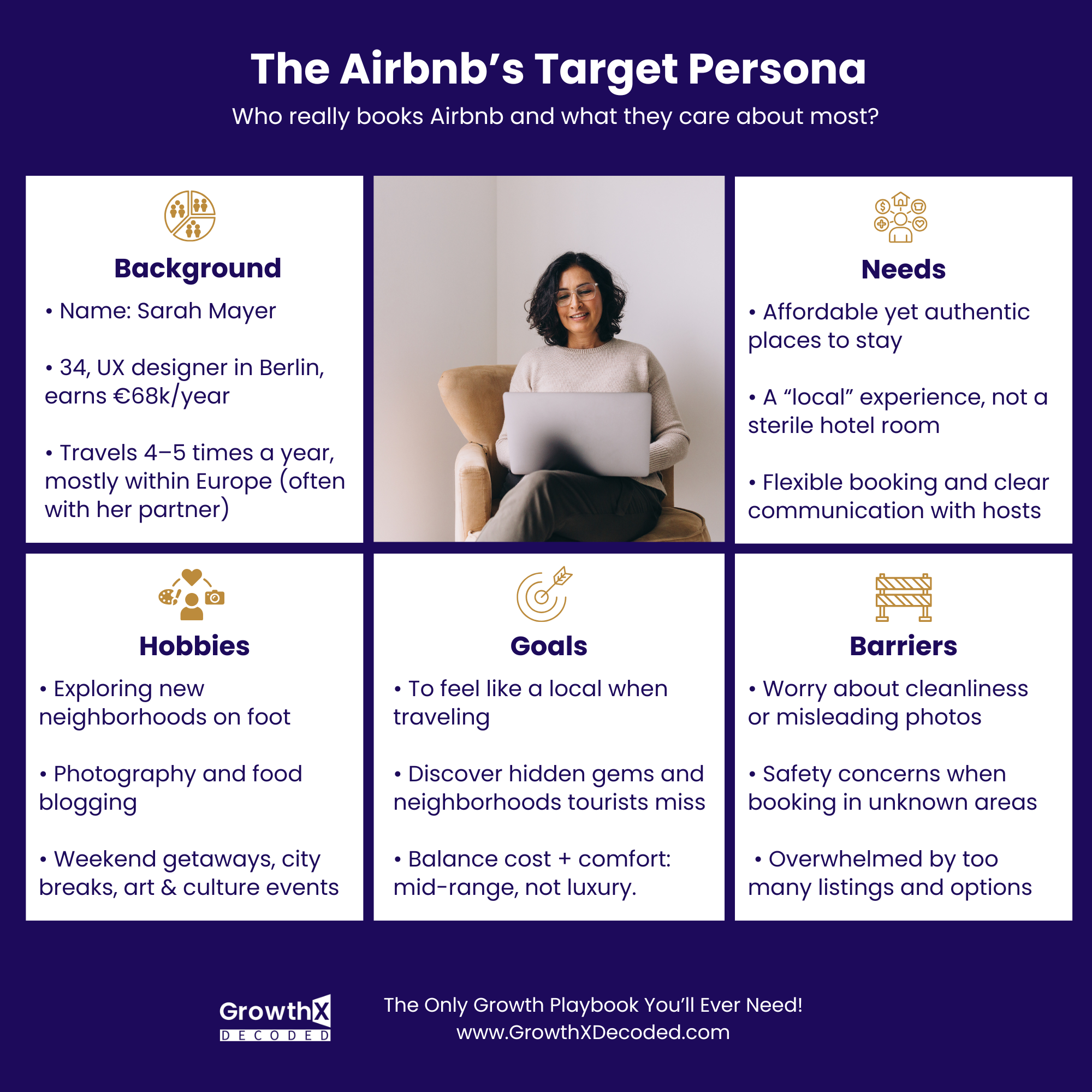
1. Target Persona → Who exactly am I talking to?

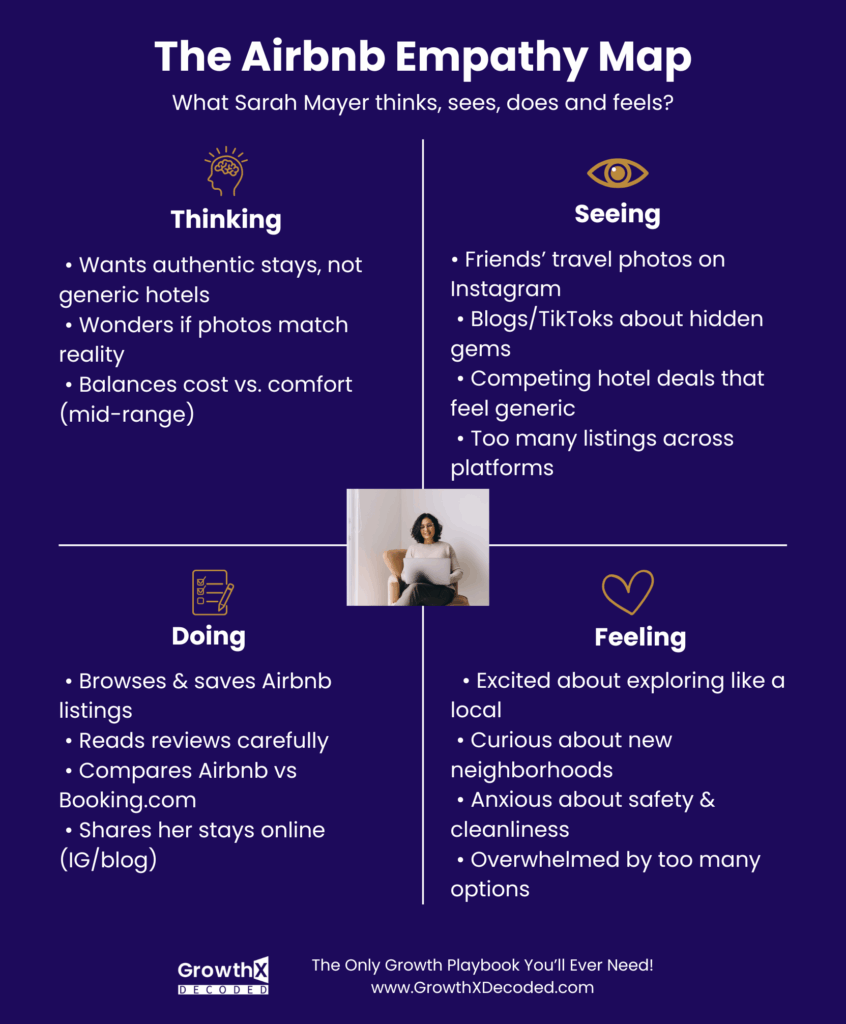
2. Empathy Map → What’s in their head, heart, and environment?
Without them, every marketing action becomes guesswork.
What to Do?
Background & Demographics
• How old are they?
• Where do they live?
• What’s their education level?
• What job/role do they have?
• How much do they earn?
• What’s their family/life situation?

Needs
• What are the main problems they want solved?
• What frustrates them most in their daily life/work?
• What’s missing for them that your product/service can provide?

Hobbies
• How do they spend free time?
• What communities, groups, or subcultures do they belong to?
• What media, platforms, or influencers do they follow?

Goals
• What do they want to achieve in the short term?
• What are their long-term ambitions or dreams?
• How do they define success for themselves?

Barriers
• What doubts or objections stop them from buying?
• What fears or risks do they see in trying something new?
• What practical limitations exist (budget, time, skills, authority)?
Example:

How to Do It (from easiest to hardest):

1. Competitor research → scan reviews of similar products to see what customers love/hate.

2. Social listening → observe conversations in forums, Reddit, LinkedIn, and review sites.

3.Sales/support input → ask your own frontline team what customers complain about or request.

4. Analytics & CRM → pull insights from your own data (behavior, purchases, locations).

5. Surveys → run structured questionnaires to capture demographics and needs at scale.

6. Customer interviews → sit down with real customers for deep insights on goals, struggles, and habits.Four quadrants:
Example:
•   Feels “too basic” compared to fancy analytics dashboards.
•   Takes uncomfortable empathy work (actually listening to people).
•   Pressure to launch fast.
Without persona and empathy, every marketing tactic falls flat. With them, even average campaigns land harder because they connect to real human needs.
 Loved the story? Share it to inspire others and spark new ideas!


 LinkedIn
 Twitter (X)
 Facebook
 Copy link